
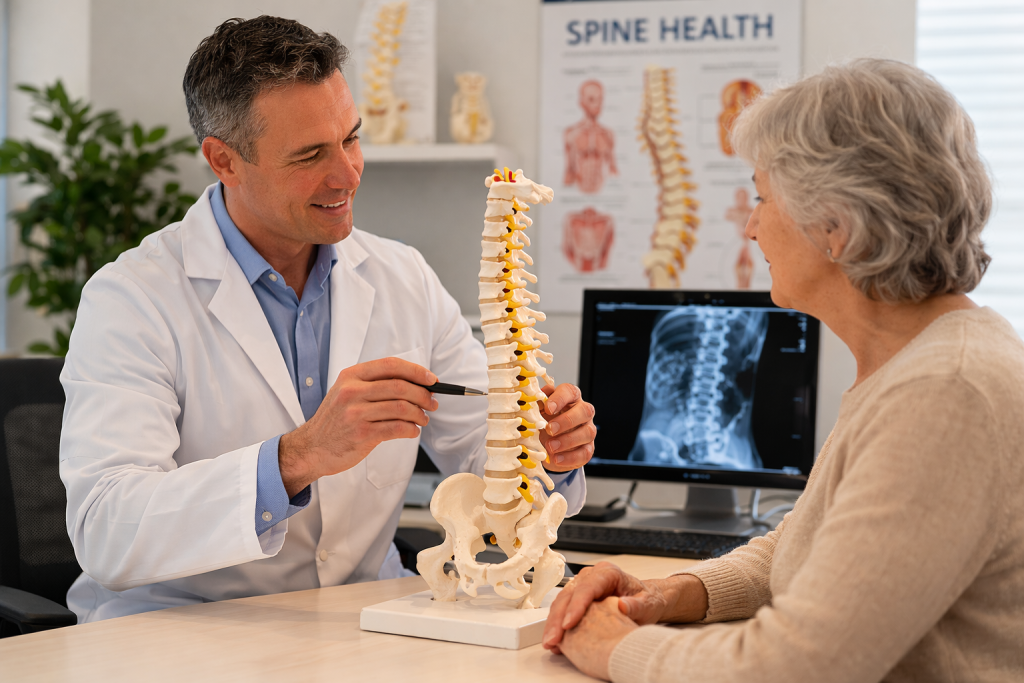
Many patients in our Millburn NJ chiropractic office ask the same question: Is chiropractic care safe if I have osteoporosis?
Because osteoporosis affects bone density, it’s understandable that people worry chiropractic adjustments could be too aggressive. Some patients even come in saying things like:
- “Chiropractic will break my bones.”
- “I shouldn’t be adjusted at all.”
- “Only medication can help bone problems.”
The reality is that chiropractic care can often be safely modified for patients with osteoporosis when proper evaluation and gentle techniques are used.
Understanding Osteoporosis and Chiropractic Care
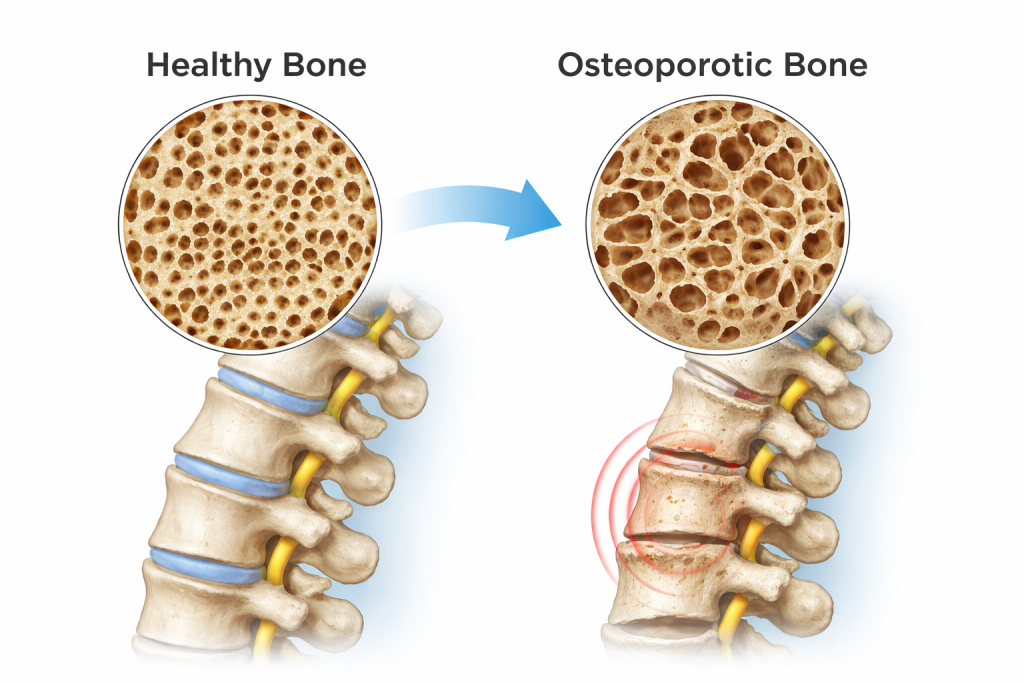
Osteoporosis is a condition that weakens bones and increases the risk of fractures. Because of this, any treatment involving the spine and joints must be approached carefully.
Chiropractic care does not treat osteoporosis itself, but it can help address pain, stiffness, posture problems, and mobility issues that many patients with osteoporosis experience.
The key is using the right techniques for the right patient.
How Chiropractic Care Is Modified for Osteoporosis
When treating patients with osteoporosis, chiropractors must adapt their approach to prioritize safety.
In many cases this means:
- Avoiding high-force manual adjustments in certain areas
- Using instrument-assisted or gentler adjustment techniques
- Focusing on mobility and posture
- Strengthening the muscles that support the spine
The goal is not aggressive manipulation. Instead, treatment focuses on improving movement and reducing stress on the joints and spine.
How Patients Are Evaluated Before Treatment
Before starting treatment, it’s important to determine whether chiropractic care is appropriate and what techniques should be used.
In our office, this typically includes:
- Reviewing DEXA scan results or imaging
- Taking a detailed health history and medication list
- Assessing range of motion and posture
- Checking for areas of spinal instability or fracture risk
This type of evaluation helps ensure that treatment is both safe and tailored to the individual patient.
Benefits Many Patients Experience
While chiropractic care does not reverse osteoporosis, many patients come in because of pain or mobility problems.
When treatment is properly modified, patients often report:
- Reduced back or neck pain
- Improved posture
- Better ability to walk or move comfortably
- Less stiffness
- Greater confidence with movement
Improving spinal mobility and posture can make daily activities easier and more comfortable.
Choosing the Right Chiropractor if You Have Osteoporosis
If you have osteoporosis and are considering chiropractic care, choosing the right provider is important.
Look for a chiropractor who:
- Modifies techniques for bone density issues
- Reviews imaging and medical history before treatment
- Uses gentle or instrument-assisted techniques when appropriate
- Focuses on stability, posture, and mobility, not just cracking joints
A careful and individualized approach can make chiropractic care a helpful option for many patients.
The Bottom Line
Having osteoporosis does not automatically mean chiropractic care is unsafe. However, it does require a thoughtful approach and modified treatment techniques.
With proper evaluation and gentle methods, chiropractic care can often help reduce pain, improve posture, and restore comfortable movement for patients living with osteoporosis.
If you have osteoporosis and are experiencing back pain, stiffness, or mobility problems, a consultation with a chiropractor experienced in modifying care for bone density conditions can help determine what treatment options may be appropriate for you.
FAQ: Chiropractic and Osteoporosis
Can chiropractic adjustments break bones if you have osteoporosis?
When proper evaluation and modified techniques are used, chiropractic care can be adapted safely for many patients with osteoporosis.
What chiropractic techniques are used for osteoporosis patients?
Gentle methods such as instrument-assisted adjustments and mobility-focused treatments are often used.
Should I bring my DEXA scan to a chiropractor?
Yes. Reviewing bone density scans or imaging helps determine the safest treatment approach